

What relocation guides promise—and what daily life actually delivers
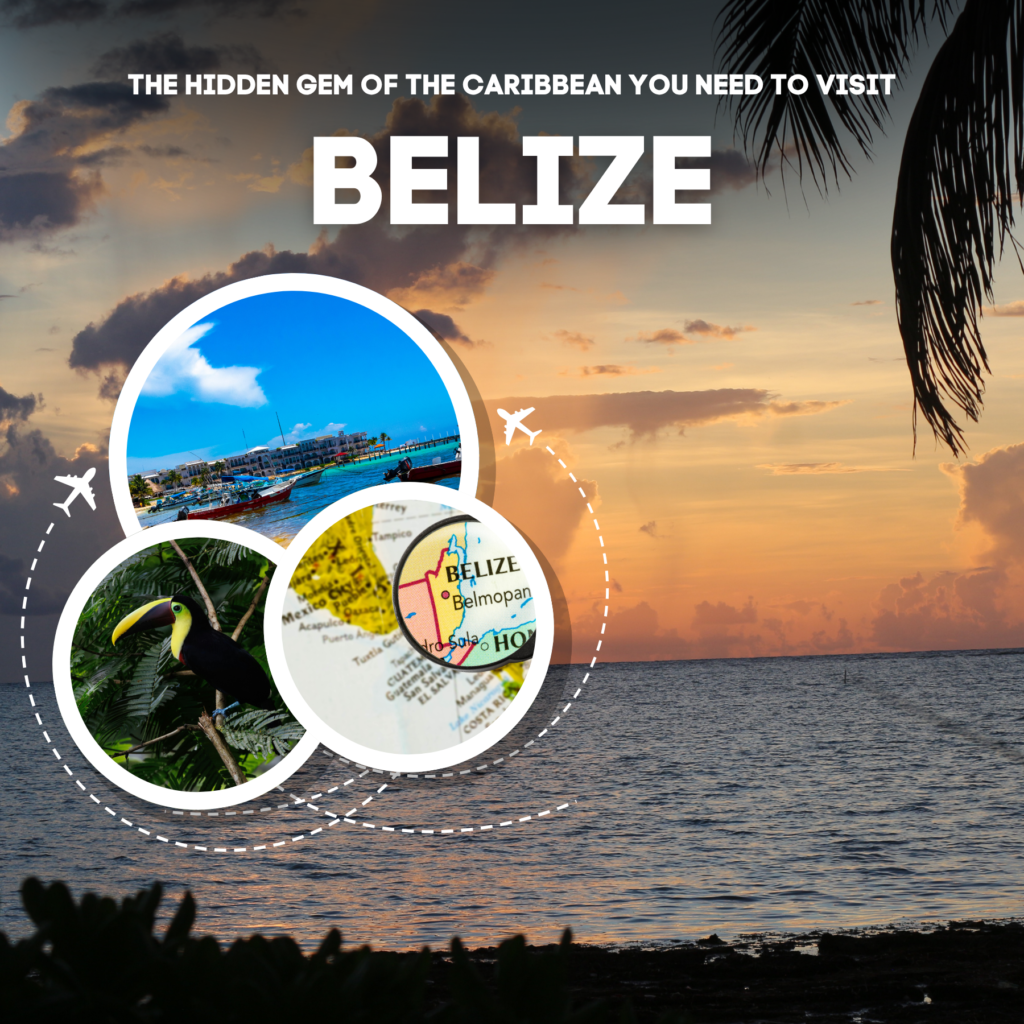
Belize has emerged as one of the most appealing relocation destinations in the Caribbean. With its English-speaking population, relaxed pace of life, and access to both coastline and jungle, it attracts retirees, remote workers, and investors looking for a lifestyle change. Promotional content often frames Belize as an affordable tropical escape, but the reality is more complex. Understanding the gap between perception and lived experience is essential for anyone considering the move.
The most common narrative surrounding Belize is that it offers a low-cost, stress-free life by the sea. Compared to North America, this can be true under certain conditions. Some expats report living on as little as $1,500 to $2,500 USD per month, particularly if they adopt a modest lifestyle and integrate into local systems. However, broader cost-of-living estimates suggest that a more typical monthly budget for a single person is closer to $2,500 to $3,000 USD, with couples often spending between $2,500 and $4,000 USD depending on location and expectations. The variation reflects a key reality: Belize does not have a single cost of living, but rather a range shaped by personal choices.
The largest factor influencing cost is lifestyle. Those who shop at local markets, eat traditional Belizean food, and live outside major tourism zones can keep expenses relatively low. In contrast, individuals who maintain a North American standard of living imported groceries, air conditioning, frequent dining out, and beachfront housing will encounter significantly higher costs. Belize relies heavily on imports, and duties on foreign goods drive up prices. As a result, many everyday items cost as much as, or more than, they do in larger developed countries.
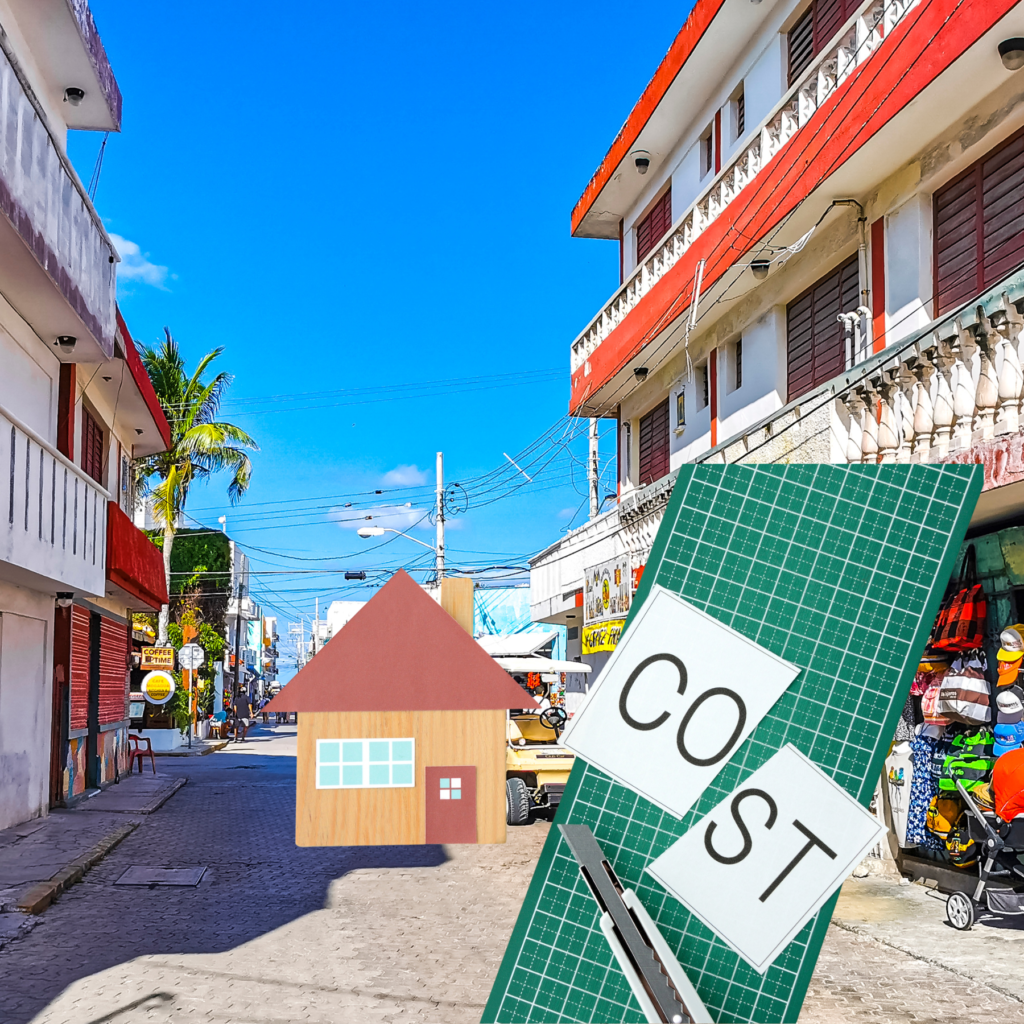
Housing is often where expectations diverge most sharply from reality. Inland towns and less developed areas can offer rentals starting around $300 USD per month. However, in high-demand regions such as Placencia and Ambergris Caye, even modest accommodations frequently exceed $1,000 USD per month, with beachfront or newer properties commanding much higher rates. Increased foreign investment and growing tourism have pushed prices upward in these areas, reducing the availability of low-cost coastal living that earlier relocation narratives often highlight.
Beyond financial considerations, relocating to Belize requires a significant adjustment in daily life. The country’s population is just over 400,000, and infrastructure reflects its size. Services that are taken for granted in larger countries reliable high-speed internet, consistent utilities, and rapid administrative processes can be less predictable. Power outages, slower service delivery, and limited availability of certain goods are part of everyday life in many regions. For some, this is a welcome shift toward simplicity; for others, it can be a source of frustration.
Healthcare is another critical consideration that is often understated in promotional material. While Belize offers basic medical services and private clinics, it does not have the same level of advanced care found in North America. Many expats maintain international insurance and plan to travel abroad, often to Mexico or the United States, for specialized treatment. This does not necessarily deter relocation, but it does require preparation and realistic expectations.
Despite these challenges, Belize offers qualities that are difficult to replicate elsewhere. Its natural environment, from barrier reefs to dense rainforest, is a central part of daily life. The culture is diverse and community-oriented, and the slower pace can provide a meaningful alternative to high-pressure urban living. For individuals willing to adapt, Belize can deliver a strong sense of freedom and connection to place. Best of all , its also English speaking and the people are so kind.
The distinction between truth and fantasy ultimately comes down to expectations. Belize is neither an ultra-cheap paradise nor an extension of North American life in a warmer climate. It is a developing country with unique advantages and limitations. Those who approach relocation with flexibility, financial clarity, and a willingness to adjust their habits are far more likely to succeed.
The decision to move should not be based solely on cost comparisons or lifestyle imagery. A more useful question is whether one is prepared to embrace a different way of living. Belize rewards those who adapt to its rhythm, rather than those who attempt to recreate the systems they left behind.
It may be the best decision you ever make.