
The Green Heart of Belize: Unveiling the Untapped Power of Agriculture

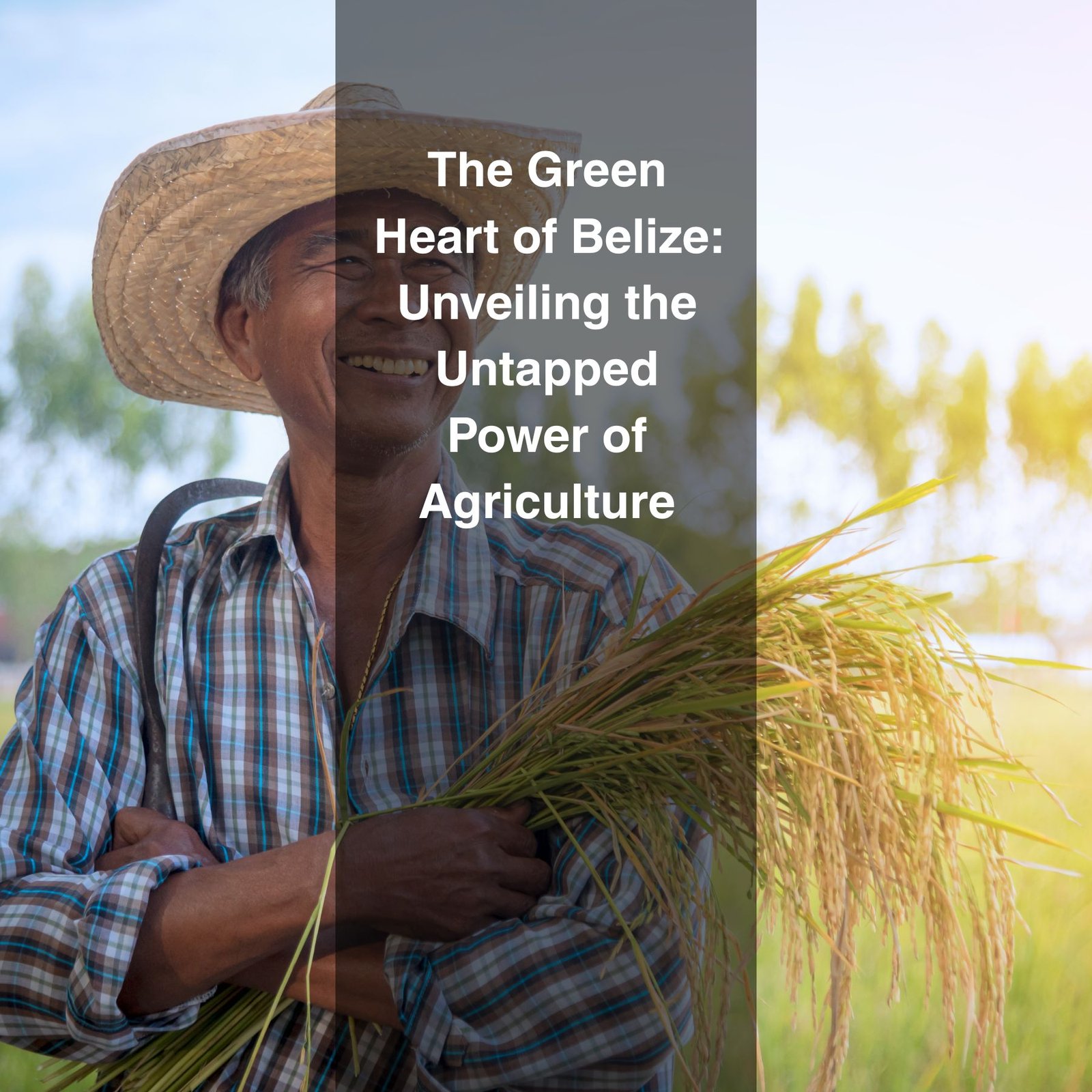
When most people think of Belize, they picture turquoise waters, ancient Maya temples, and lush jungle adventures. But hidden beneath this postcard-perfect paradise lies a vibrant, evolving story that often goes untold: the story of Belizean agriculture—a force rooted in resilience, innovation, and the rhythms of the land.
A Land of Fertile Promise
Belize may be small in size, but it’s incredibly diverse when it comes to agricultural potential. From the rich alluvial soils of the Cayo District to the sprawling citrus groves of Stann Creek and the cacao forests of Toledo, this country boasts a wide range of microclimates and fertile zones that can grow almost anything.
Historically, Belize’s economy relied heavily on sugarcane, citrus, and bananas—the Big Three that once powered its exports. These commodities still play a major role today, but Belize’s agricultural landscape has been steadily transforming, shaped by market trends, climate change, and the bold vision of a new generation of farmers.
From Tradition to Innovation
Walk through a traditional Maya cacao farm in southern Belize and you’ll witness a time-honored relationship between people and the land. Cacao, often grown in shaded agroforestry systems, is not just an export crop; it’s a sacred part of Maya heritage. Today, Belizean cacao is gaining international recognition for its rich flavor and organic cultivation, with beans regularly making their way to award-winning chocolate makers in Europe and the U.S.
Meanwhile, in central and northern Belize, Mennonite communities are using advanced mechanized farming techniques to grow corn, soybeans, rice, and dairy products at commercial scale. Their contribution has made Belize self-sufficient in several staple foods and created new opportunities for export.
Belize is also tapping into value-added agriculture. Local entrepreneurs are turning turmeric, moringa, coconut, and cassava into oils, teas, powders, and snacks—adding value while preserving the nutrients and cultural significance of these traditional crops.
Organic by Nature, Sustainable by Necessity
What sets Belize apart from many other agricultural regions is that much of its food is organically grown by default. Most farmers don’t rely on heavy chemical fertilizers or pesticides. Not because of regulations—but because of cost and tradition. This gives Belize a unique opportunity: to brand itself as a leader in natural and sustainable farming in the Caribbean and Central America.
With the world moving toward more conscious consumption, Belizean agriculture is perfectly positioned to capitalize on the global demand for clean, traceable, eco-friendly food products.
Agro-tourism: Where Agriculture Meets Adventure
A rising trend is agro-tourism, where visitors can experience Belize’s farm life firsthand—whether it’s learning to make chocolate from bean to bar, harvesting pineapples on a working farm, or joining a permaculture retreat in the rainforest. These experiences not only generate new income for farmers but also help preserve the stories and knowledge that make Belize’s agriculture so unique.
The Road Ahead
Belize stands on the edge of an agricultural renaissance. With growing interest in farm-to-table dining, sustainable living, and health-conscious consumption, the world is looking for places like Belize—places where food is still grown with care, tradition, and connection to the land.
To harness its full potential, Belize must invest in infrastructure, education, innovation, and storytelling. Because agriculture in Belize is more than just an economic sector—it’s a way of life, a source of national pride, and a powerful key to a resilient, regenerative future.
Did You Know?
- Belize is home to over 4,000 small-scale farmers.
- The country exports over 1 million gallons of orange juice annually.
- Belizean black fruitcake, a holiday favorite, is made with locally grown molasses, sugar, and spices.
- The Belize Agriculture Show, held annually in Belmopan, is the largest fair in the country and celebrates the best of local farming, food, and livestock.