The History of Belize: From Ancient Civilizations to Modern Nation

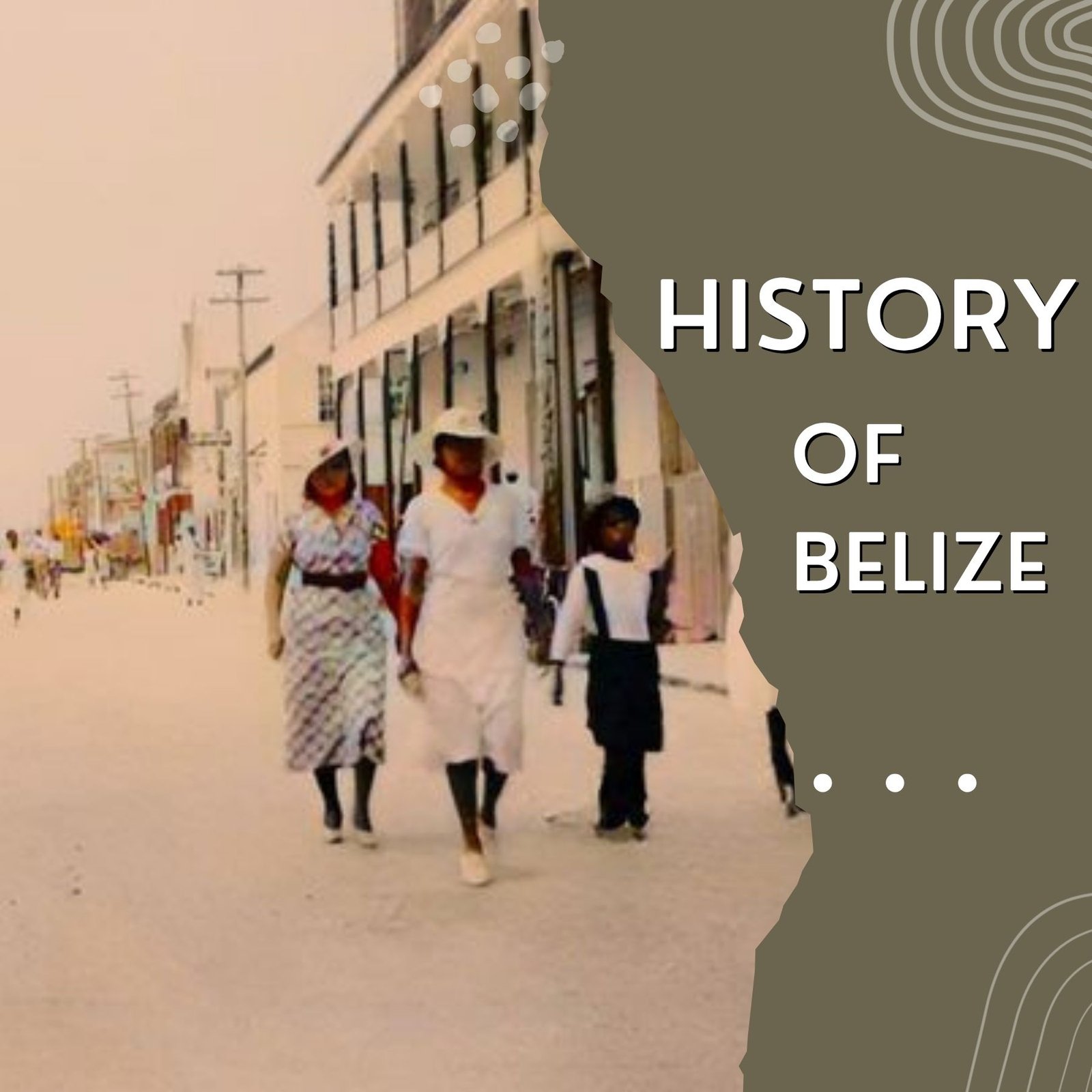
The history of Belize is a rich tapestry of ancient civilizations, colonial struggles, and cultural blending that has shaped the country into what it is today. From the rise of the Maya to independence in the 20th century, Belize’s past is both complex and fascinating.
The Ancient Maya Civilization
Long before European contact, Belize was at the heart of the Maya Civilization, one of the most advanced cultures in the ancient world. As early as 1500 BCE, the Maya built thriving cities, developed sophisticated writing systems, and made remarkable advancements in astronomy and mathematics.
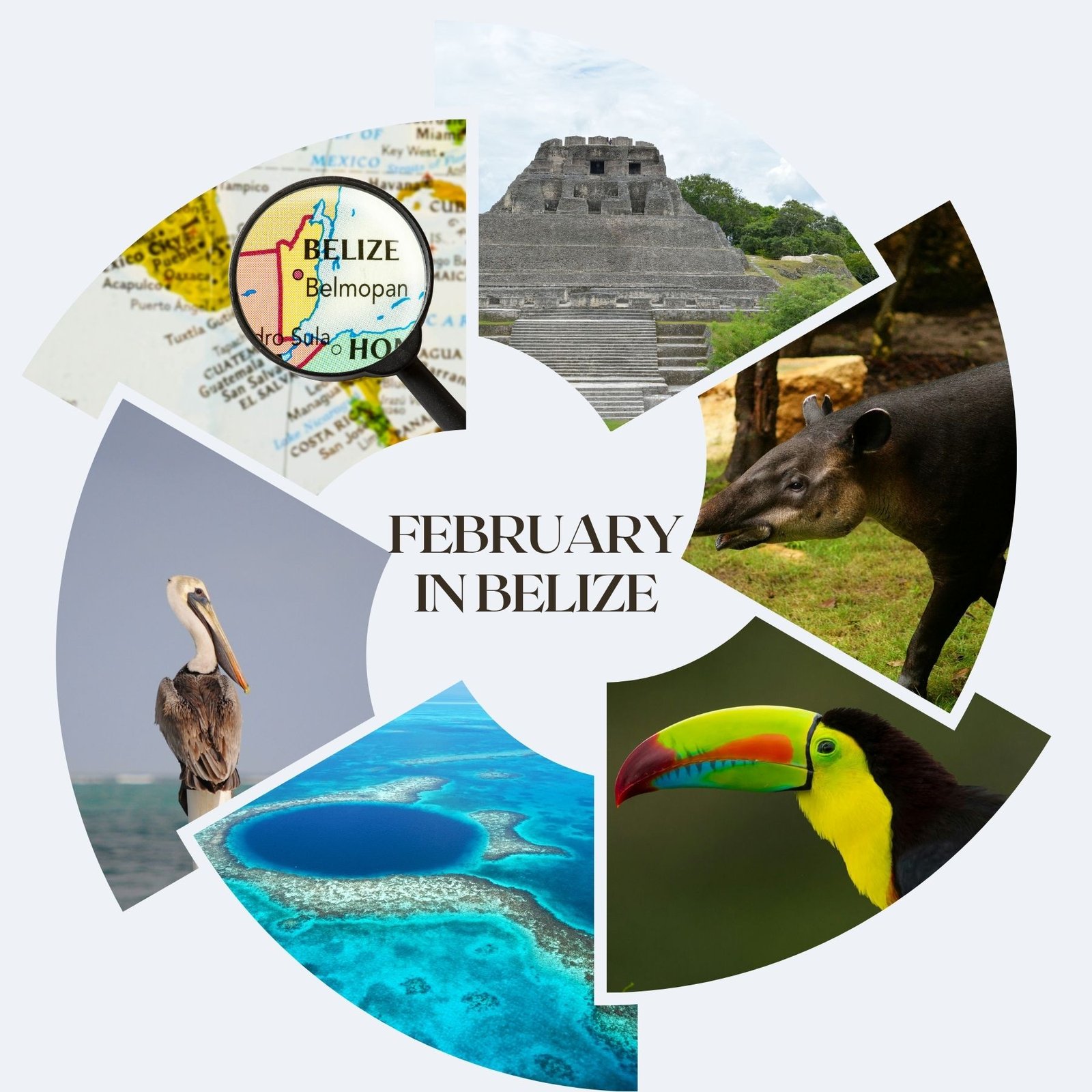
Major archaeological sites such as Caracol and Altun Ha reveal towering temples, plazas, and complex urban planning. These cities flourished for centuries before gradually declining around 900 CE, likely due to environmental and social factors.
European Contact and British Settlement
In the 16th century, Spanish explorers arrived in the region, but they never fully settled Belize due to resistance from the Maya and lack of easily exploitable resources. Instead, British settlers—known as Baymen—established logging camps along the coast in the 17th century.
These settlers harvested valuable logwood and mahogany, relying heavily on enslaved African labor. Over time, the British established control over the territory, despite ongoing disputes with Spain.
Slavery and Emancipation
The economy of colonial Belize depended on enslaved Africans, who endured harsh working conditions in logging camps. This period left a lasting impact on Belize’s cultural identity.
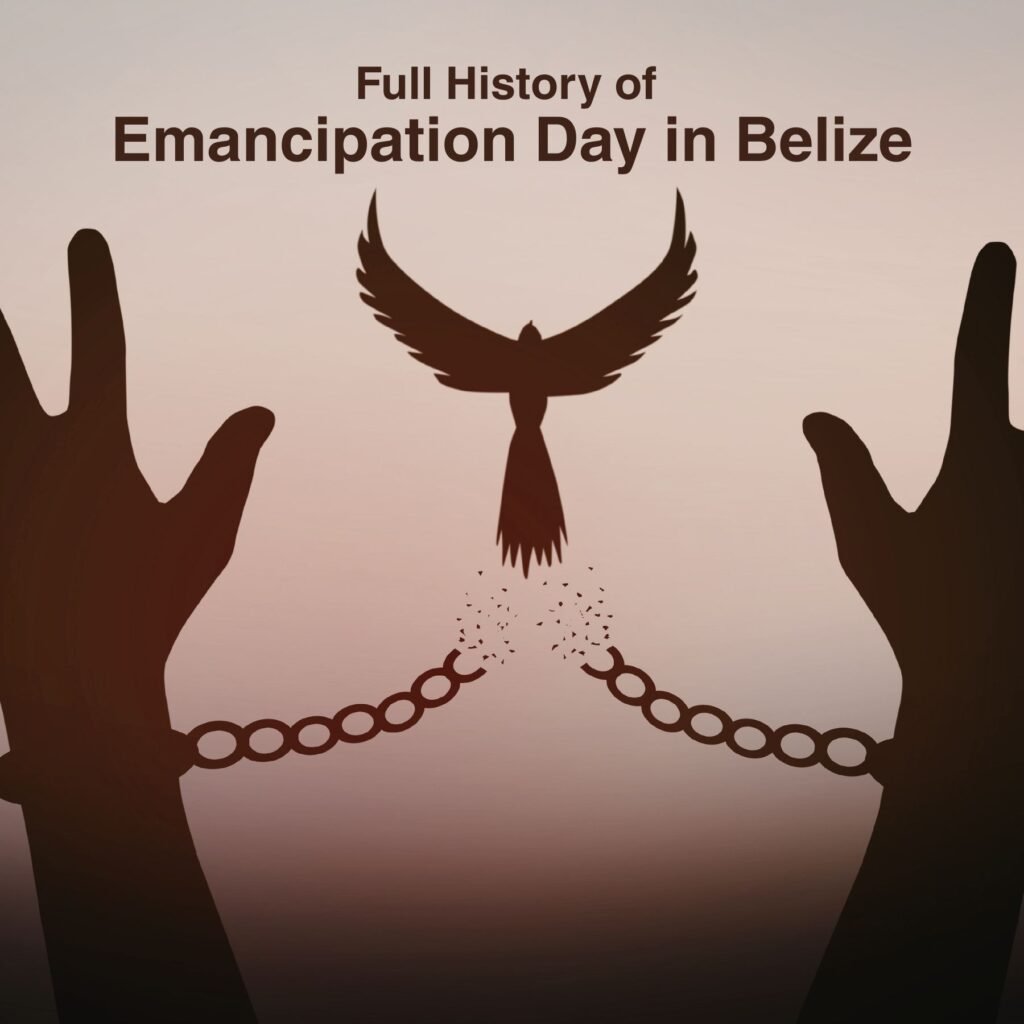
Freedom came with the Slavery Abolition Act 1833, which led to the eventual emancipation of enslaved people in 1838. The descendants of these communities contributed significantly to Belize’s Creole culture, language, and traditions.
Becoming British Honduras
By the 19th century, Belize was formally declared a British colony under the name British Honduras. The colonial government expanded its administration, and the economy continued to rely on forestry and agriculture.
Despite its colonial status, Belize developed a unique identity shaped by a mix of African, Maya, European, and later Garifuna influences.
The Road to Independence
In the 20th century, a growing sense of nationalism led to political movements for self-governance. Leaders and activists pushed for independence, while also addressing territorial disputes with neighboring Guatemala.
On September 21, 1981, Belize officially gained independence from the United Kingdom, becoming a sovereign nation while remaining a member of the Commonwealth.
Modern Belize
Today, Belize is known for its cultural diversity, natural beauty, and stable democratic government. Its history is reflected in its languages, traditions, and communities, making it one of the most unique countries in Central America.
A Living History
Belize’s history is not just found in books—it lives on in its people, festivals, and landmarks. From ancient Maya ruins to colonial-era towns, the past is always present, offering visitors and residents a deeper understanding of this vibrant nation.
Whether you’re exploring archaeological sites or learning about its cultural heritage, the history of Belize is an essential part of its charm and identity.