Belize’s Jaguar Preserve — Safeguarding a Symbol of the Wild

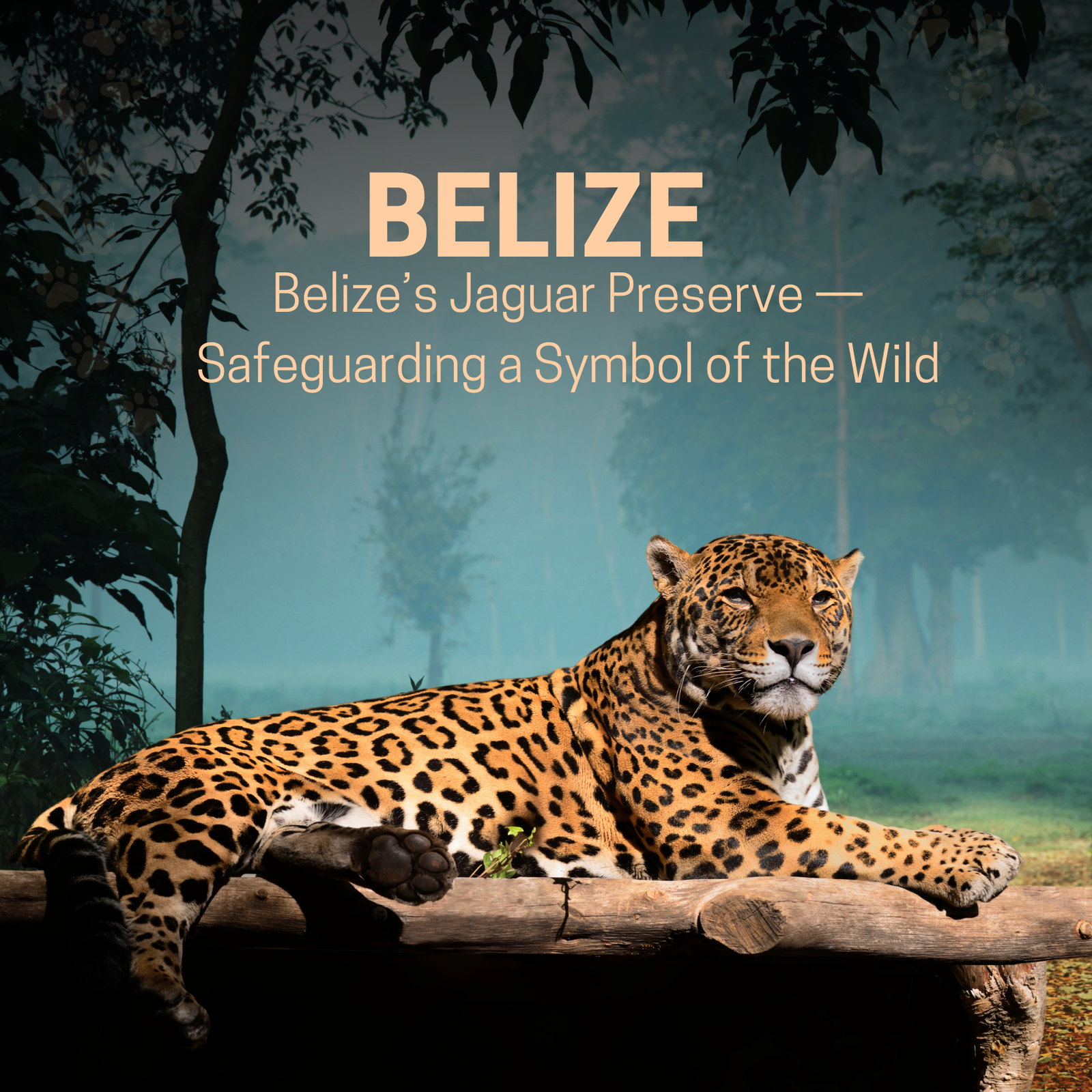
In the early 1980s, Belize became the epicenter of jaguar conservation thanks to the dedication of wildlife scientist Dr. Alan Rabinowitz, often called the “Indiana Jones of Wildlife Conservation.” While studying jaguar ecology in the dense forests of southern Belize, Rabinowitz discovered extraordinarily high densities of jaguars in what is now known as the Cockscomb Basin — more than anywhere else recorded in the wild at that time.
Rabinowitz, together with Belize Audubon Society members and international conservation partners, convinced the government of Belize to protect the area. What began in 1986 as a jaguar hunting prohibition eventually expanded into the Cockscomb Basin Wildlife Sanctuary, officially established as the world’s first jaguar preserve and one of Belize’s most important protected areas.
Rabinowitz’s work not only helped establish this reserve but also laid the foundation for global big-cat conservation efforts through organizations like Panthera, which he co-founded and led for years.
What the Jaguar Preserve Does
The Cockscomb Basin Wildlife Sanctuary serves several crucial purposes:
Jaguar Protection
The preserve offers permanent protection to jaguars — Belize’s largest wildcats and one of the most iconic big cats in the Americas. By designating this large tract of rainforest as a sanctuary, Belize secured safe habitat where hunting is banned and habitat destruction is minimized.
Biodiversity Conservation
Although the jaguar is the flagship species, the sanctuary protects a vast tropical ecosystem. The preserve’s dense forests, rivers and trails are home to:
- Other wild cats like pumas, ocelots, margays, and jaguarundi
- Hundreds of bird species
- Mammals such as tapirs, monkeys, peccaries, and deer
- A rich diversity of plant species and ecological communities
Research and Monitoring
Ongoing conservation science — including long-term jaguar monitoring programs — helps researchers understand jaguar behavior and population trends better, contributing to worldwide knowledge about big cats and how to protect them.
Wild Cats of Belize
Belize’s forests are home to five species of wild cats — all part of the country’s protected wildlife:
- Jaguar – the largest big cat in the Americas
- Puma (cougar) – a wide-ranging predator
- Ocelot – a medium-sized, beautifully patterned cat
- Margay – a small, squirrel-like cat comfortable in trees
- Jaguarundi – a sleek, weasel-like wild cat
These cats differ in size and habits but all benefit from Belize’s protected forests.
Legal Protection and Conservation Efforts in Belize
Belize has enacted laws and programs to safeguard jaguars and other wildlife:
Legal Protection
Jaguars are protected under Belizean law, and harming, killing, possessing or trading jaguars and their parts is prohibited and punishable by fines and prosecution — reflecting the species’ conservation importance.
Conservation Programs
Organizations such as the Belize Audubon Society and international partners continue efforts to preserve habitats and reduce human–wildlife conflict. Community outreach, wildlife monitoring, protective patrols and research all contribute to long-term survival strategies.
Where You Can See Jaguars in Belize
While jaguars are wild and elusive — so sightings are never guaranteed — Belize offers some of the best environments in the world to experience their habitat:
Cockscomb Basin Wildlife Sanctuary (Stann Creek District)
This is the jaguar preserve. You’ll find extensive trails, rivers, waterfalls and a chance to see jaguar tracks, camera-trap photos, and other jaguar signs.
Rio Bravo Conservation Area
A large protected forest in northwest Belize with a strong jaguar population and guided wildlife tours.
Chan Chich Lodge & Gallon Jug Estate
A lodge deep in Belize’s Maya Forest where jaguars and other wildlife are commonly photographed on camera traps.
Why the Jaguar Preserve Is Worth Visiting
Immersive Nature Experience
Cockscomb Basin offers lush rainforests, scenic rivers and waterfalls, and trails from easy to challenging — all set in pristine wilderness.
Wildlife Watching
Even if you don’t see a jaguar, you’re likely to encounter other species — from wild cats to tapirs, monkeys, and hundreds of birds.
Learn About Conservation
Visitors can learn firsthand about biodiversity protection, jaguar research and the delicate balance between people and wildlife.
Cultural and Ecological Connection
The preserve is a living classroom showcasing Belize’s commitment to conservation and why protecting intact ecosystems matters for global biodiversity.
Belize’s Jaguar Preserve at Cockscomb Basin Wildlife Sanctuary is more than a park — it’s a global landmark in wildlife protection. Started in the 1980s through the efforts of passionate scientists and conservationists like Dr. Alan Rabinowitz, the sanctuary protects jaguars and a rich array of wildlife, offers immersive jungle experiences, and highlights why Belize remains a vital stronghold for wild cats in the Americas.