
Belize’s New Airport Security: Eye & Fingerprint Scanning

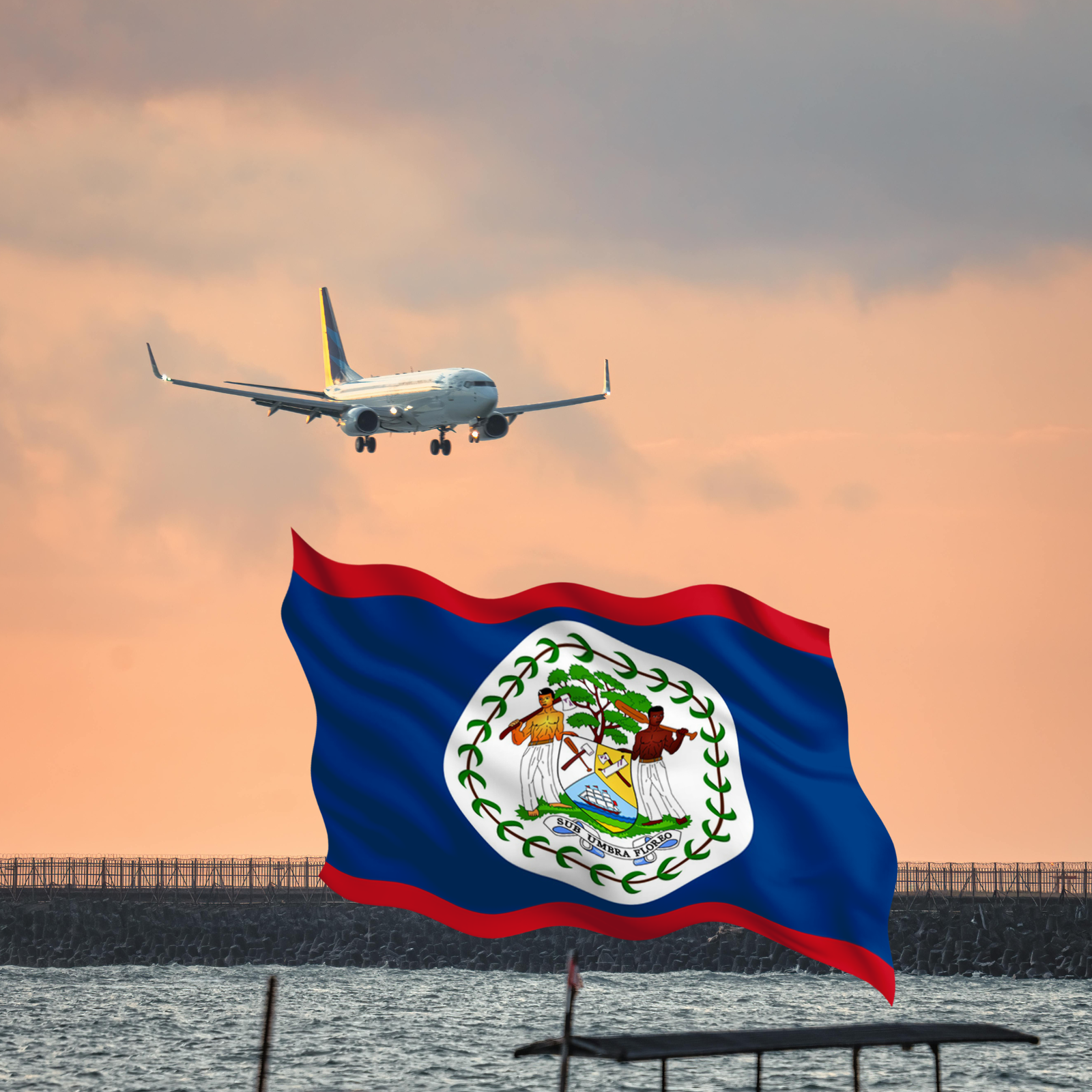
What You Need to Know
Belize’s New Airport Security: Eye & Fingerprint Scanning — What You Need to Know
Belize has recently rolled out a new biometric screening system at its international airport and other points of entry, introducing advanced security checks using fingerprint and facial recognition technology for arriving travellers. This marks a significant upgrade in how Belize manages its borders while balancing international travel with national safety priorities.
If you are a past visitor , you can expect a change on arrivals
Why Was This Implemented?
The main driver behind this new system is strengthened border security and migration management.
- Partnership with the United States: Belize signed a Biometric Data Sharing Partnership (BDSP) with the U.S. Department of Homeland Security, providing roughly US $250,000 in biometric equipment and software to help modernize Belize’s identity screening at airports and other ports of entry.
- Combatting Fraud and Crime: Immigration officials say the technology will help identify travel documents that may be fraudulent or linked to people who pose a security risk, making it easier to flag issues early and prevent unwanted or harmful entries.
- Enhancing Immigration Operations: The system supports more accurate and efficient identity checks, which can help streamline secondary screening processes when travel information seems inconsistent or raises concerns.
The rollout reflects a broader global trend toward using biometric systems (like iris/face/fingerprint recognition) to improve border processing. Systems like these are also used in many countries to verify identities more securely and quickly than traditional manual document checks.
Who Is Behind the System?
The initiative is jointly led by:
- The Government of Belize’s Department of Border Management & Immigration Services, with support from the Ministry of Immigration and other local agencies.
- U.S. Department of Homeland Security (DHS) under the Biometric Data Sharing Partnership — supplying technology, training, and integration support.
- Belize authorities have stressed that data collection follows Belizean law and that personal information collected at the border will remain under Belize’s jurisdiction.
This partnership places Belize among a growing number of countries adopting biometric data systems in line with international standards for secure travel and identity verification.
What Tourists Can Expect on Arrival
For tourists entering Belize — especially through Philip S. W. Goldson International Airport — here’s how the new procedures could change your arrival experience:
- Biometric Checks at Immigration: You may be asked to have your fingerprints and facial biometrics scanned as part of the identity verification process. This is intended to replace or augment manual passport inspections, and results are checked against local and international data sources.
- Speed and Accuracy: In many cases, biometrics can speed up identity confirmation and reduce manual processing delays — particularly when passengers have machine-readable passports or are flagged for additional screening.
- Not All Passengers Are Affected: According to local reports, routine travellers with valid and straightforward travel documents may not always undergo deep biometric scrutiny; richer scans tend to happen when there are discrepancies or security ties that need verification.
- Data Privacy Concerns: Some critics in Belize have raised questions about how biometric data may be shared or stored once it interacts with external (e.g., U.S.) systems, pushing for clearer transparency and safeguards.
Overall, while the system is designed to bolster national and regional security, Belizean officials emphasize that legitimate tourists should find entry still efficient and welcoming.
Impact on Tourism
Like many countries investing in biometric systems, Belize aims to strike a balance between security and visitor experience:
✔ Faster Processing for Most Travelers
Biometric verification can reduce bottlenecks at immigration counters — especially in peak tourist seasons — by automating key checks that previously required more manual steps.
✔ Increased Confidence for Global Travel Partners
Secure entry systems reassure airlines, travel partners, and foreign governments that Belize is aligned with modern border security standards, potentially boosting international confidence in travel to Belize.
✔ Initial Adjustment for Travelers
Some tourists may need a few extra minutes at arrival to complete biometric scans. However, most frequent deployments around the world show that once travelers understand the process and technology, the system becomes a quick part of the arrival flow.
✔ Privacy and Transparency Questions
As with similar systems globally, some individuals and civil society groups are paying closer attention to how captured biometric data is used, shared, and retained — a conversation that is likely to continue as the program matures.
Belize’s new biometric screening system at the airport and other entry points represents a major step toward modernized, secure border management — combining global technology partners with local government direction.
The system seeks not only to enhance national security and fraud prevention but also to improve travel efficiency for legitimate visitors. For tourists, this means a more secure and potentially faster entry process, as biometric authentication becomes part of the standard arrival experience in Belize.
If you’re planning a trip, expect to interact with fingerprint and facial recognition technology at immigration — but know that these tools are aimed at keeping travel both safe and smooth for everyone.