- Southern Belize

Belizean Food & Traditional Wellness Food in Belize tells a story. It tells us where we come from, who raised us, what grew in our gardens and what our grandparents taught us about taking care of ourselves. With Maya, Garifuna, Creole, Mestizo, East India
In and other cultural influences, Belizean cuisine is wonderfully diverse. From rice and beans, stewed chicken and fresh fish to hudut, tamales, soups, fry jacks and fresh tropical fruits, food is an important part of everyday Belizean life. But Belizean food has another side that doesn’t always make it onto the restaurant menu the traditional use of local foods, herbs and plants for everyday wellness.
For generations, Belizean families have turned to ingredients found in their kitchens, yards and gardens. Ginger, turmeric, garlic, coconut, lime, mint, lemongrass, aloe vera, papaya and other locally available plants have all been part of traditional home practices.
Food straight from the garden
One of the beautiful things about living in Belize is the abundance of fresh foods available around us. Depending on the season, you may find mangoes, papayas, pineapples, oranges, grapefruits, watermelon, bananas, plantains, coconuts and many other fruits growing locally.
Vegetables such as pumpkin, okra, cassava, sweet potato and leafy greens also play an important role in Belizean cooking. These foods aren’t simply ingredients they are part of our way of life.
A backyard garden, a fruit tree, a local market or a neighbor selling produce along the roadside can provide some of the freshest foods available.
Traditional Teas & Home Remedies
Ask many Belizeans about traditional wellness and you’ll probably hear stories about something their mother, grandmother or auntie used to prepare. Ginger tea might be made when someone isn’t feeling well. Lemongrass may be brewed into a comforting tea. Mint, cinnamon, garlic and other familiar ingredients have long been used in Belizean households.
These traditions are part of our cultural heritage and are worth preserving and learning about. At Belizean Lifestyle, we believe these traditions deserve a place in the conversation while also recognizing that traditional remedies aren’t a substitute for medical treatment. Some herbs and plants can interact with medications or affect blood sugar, blood pressure and other health conditions, so it’s important to know what you’re using and speak with a healthcare professional when appropriate.
The Belizean Way
Perhaps the greatest lesson in Belizean food isn’t about one particular ingredient. It’s about using what you have, eating what grows around you and sharing food with the people you love. Food brings families together. It brings neighbors together. It is part of our celebrations, our holidays, our villages and our everyday lives.
From a pot of beans simmering on the stove to fresh fruit picked from the backyard, Belizean food is connected to the land and to generations of knowledge. Belizean Lifestyle is about celebrating that connection the food we grow, the food we cook, the traditions we inherit and the natural beauty that surrounds us.
Belizean food is generally hearty, flavourful, and made with familiar ingredients. Rice, beans, chicken, fresh seafood, coconut milk, corn, plantains, and locally grown vegetables feature prominently in traditional meals.
Here are some of the dishes worth seeking out during your visit.
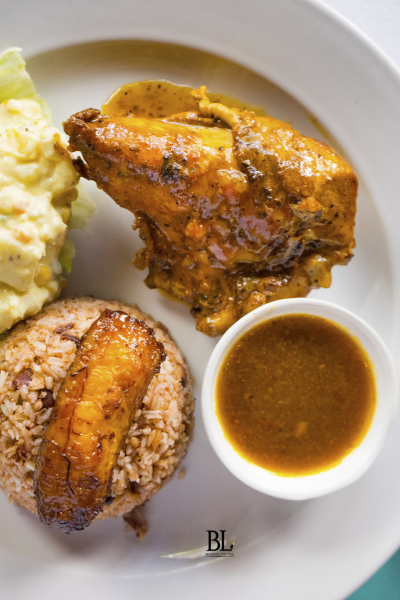
Ask almost any Belizean about traditional food, and rice and beans with stewed chicken will likely be among the first dishes mentioned.
Red kidney beans are cooked with rice, often using coconut milk to create a rich, aromatic dish. The meal is usually served with tender chicken cooked in a seasoned sauce, potato salad or coleslaw, and sometimes fried plantain.
Although simple in appearance, a good plate depends on the seasoning and preparation. Every cook seems to have a slightly different approach, and many families have recipes passed down through generations.
Where to find it: Look for local Belizean restaurants, small family-run eateries, roadside food stands, and lunchtime vendors throughout the country. Belize City and towns across the Belize, Cayo, and Stann Creek districts are excellent places to start.
If you enjoy breakfast, make time for fry jacks.
These golden pieces of fried dough puff up as they cook, creating a light, soft centre and a slightly crisp exterior. They are commonly served with refried beans, eggs, cheese, or ham, making them a filling start to the day.
Some people enjoy them with jam or honey, while others prefer the traditional savoury combinations.
Fry jacks are particularly popular at breakfast, and you will often find them served fresh from the kitchen in the early morning.
Where to find them: Local breakfast cafés, bakeries, roadside eateries, and small restaurants throughout Belize. They are especially worth trying in Placencia, Hopkins, San Ignacio, and Belize City.
A meat pie is one of Belize’s favourite quick snacks.
The small, savoury pastry is filled with seasoned meat, onions, peppers, and spices. It is especially popular in Belize City, where people often buy one for breakfast or enjoy it as a snack during the day.
Meat pies are convenient for travellers, too. Pick one up before a sightseeing excursion or enjoy one while exploring the city.
Where to find them: Bakeries, food stalls, and local vendors, particularly in Belize City. Ask residents where they buy their favourite meat pies; recommendations often lead to the most memorable finds.
Boil up is one of Belize’s traditional Creole dishes and a wonderful introduction to the country’s home-style cooking.
Depending on the cook and the ingredients available, it may include boiled fish or other meat, eggs, ground provisions, plantains, cassava, yams, and vegetables. A rich tomato-based sauce may accompany the meal.
The ingredients are cooked together or separately and brought to the table as a substantial, satisfying plate.
Boil up is especially interesting for travellers who want to experience traditional food beyond the familiar rice-and-beans combination.
Where to find it: Ask at Creole restaurants and traditional eateries, particularly in Belize City and other communities with strong Creole culinary traditions. Availability may vary by day.
For one of the most memorable culinary experiences in southern Belize, try hudut.
This traditional Garifuna dish features fish cooked in a creamy coconut-milk broth, often seasoned with herbs and local spices. It is served with mashed plantain, traditionally prepared using green and ripe plantains.
The coconut broth is rich and aromatic, while the plantain provides a distinctive texture and flavour.
Hudut is more than a meal. It represents the Garifuna people’s connection to the sea, the land, and generations of culinary tradition.
Where to find it: Dangriga and Hopkins are excellent places to begin. Punta Gorda also offers opportunities to explore Garifuna food and culture.
For a cultural experience in Dangriga, visit the Palmento Grove Cultural Center, where visitors can explore Garifuna traditions through cultural activities and experiences. Ask about culinary experiences or tours when arranging your visit.
Cassava is an important ingredient in Garifuna cuisine.
The root is processed and prepared into different foods, including cassava bread, which is traditionally made from grated cassava. Its preparation requires knowledge passed down through generations.
Cassava bread has a firm texture and a distinctive flavour. It can be enjoyed on its own or alongside other foods.
Garifuna cooking also features fish, coconut milk, plantains, and other ingredients readily available along the southern coast.
Where to find it: Explore traditional food businesses and cultural experiences in Dangriga and Hopkins. Ask local guides or community members where cassava bread is available, as production and availability can vary.
Head north into the Corozal and Orange Walk districts, and you will discover a strong Mestizo culinary influence.
One dish worth trying is escabeche, a traditional chicken soup prepared with onions, vinegar, peppers, and spices. The broth has a distinctive tangy flavour, and the dish is often served with fresh corn tortillas.
Escabeche reflects the blending of Maya and Spanish culinary influences that helped shape northern Belizean cooking.
It is particularly enjoyable for travellers who appreciate traditional soups and dishes with a little acidity and spice.
Where to find it: Family-run restaurants and traditional eateries in Orange Walk, Corozal, and surrounding communities. Ask whether escabeche is available that day, as it may not be on every menu.
Chimole, sometimes called black dinner, is another traditional dish with Maya and Mestizo influences.
Its dark colour comes from black recado, a seasoning paste that gives the soup its distinctive appearance and flavour. Recipes vary, but chicken and vegetables are common ingredients.
Chimole is a good example of how traditional Belizean cooking uses seasoning blends to create dishes that are different from those found elsewhere in the Caribbean.
Where to find it: Seek out traditional eateries in northern Belize, particularly around Orange Walk and Corozal, where Mestizo culinary traditions are prominent.
With the Caribbean Sea along its eastern coast, Belize is an excellent destination for seafood lovers.
Depending on the season and local availability, menus may feature snapper, grouper, shrimp, lobster, conch, and crab.
Ceviche is especially popular in coastal communities and on the cayes. It is generally made with seafood, lime juice, onions, tomatoes, cilantro, and peppers. The result is fresh, tangy, and refreshing in Belize’s warm climate.
Grilled fish served with rice, beans, vegetables, or fried plantains is another excellent choice.
Where to find it: San Pedro, Caye Caulker, Placencia, Hopkins, and other coastal communities are good places to explore seafood menus.
If you are visiting during lobster season, look out for local lobster celebrations and seasonal specials. Always check current fishing regulations and seasonal availability before ordering lobster or conch.
One of the best ways to explore Belize is to discover how the food changes as you travel from one district to another.
Belize City is an excellent starting point for traditional Belizean cuisine.
Look for rice and beans with stewed chicken, meat pies, cowfoot soup, boil up, and other Creole favourites. Local markets and food stalls provide opportunities to see what residents buy and eat throughout the day.
The city’s food scene also reflects its cultural diversity, with influences extending beyond traditional Creole cooking.
For a local dining experience, consider Marva’s Restaurant, a local restaurant worth investigating for a taste of the city’s food scene. Check its current menu before visiting to confirm which traditional dishes are available.
The Michael Finnegan Market is another place to explore local produce and the everyday atmosphere of a Belizean market.
In the Cayo District, food is closely connected to the countryside, farming communities, and the district’s cultural diversity.
San Ignacio is a particularly good place to explore local restaurants and markets. You may find Belizean staples alongside Maya-influenced dishes, handmade tortillas, tamales, and other regional foods.
Fresh produce, locally grown vegetables, and seasonal fruits are also worth seeking out.
A visit to a local market can be just as rewarding as a restaurant meal. It gives you the opportunity to see ingredients used in everyday Belizean cooking and discover fruits you may not encounter at home.
Northern Belize is an excellent destination for travellers interested in traditional Mestizo cuisine.
In Corozal and Orange Walk, look for escabeche, chimole, tamales, handmade corn tortillas, and other dishes influenced by Maya and Spanish traditions.
Orange Walk is particularly well known for its Mestizo heritage and food culture.
If you enjoy exploring beyond the main tourist attractions, stop at a small local eatery and ask what traditional dishes are being prepared that day.
Southern Belize is one of the country’s most rewarding regions for travellers interested in traditional food and cultural experiences.
Dangriga is widely recognised as a centre of Garifuna culture. Here, food, music, language, and community traditions are closely connected.
Try to find hudut, cassava bread, fish cooked in coconut milk, and other traditional Garifuna dishes.
You can also explore local food in Hopkins, a coastal village known for its strong Garifuna identity and cultural experiences.
In this part of Belize, take your time. Talk with local residents, ask questions about the dishes, and learn how traditional recipes are prepared. These conversations can make a meal far more memorable.
Toledo offers another opportunity to experience the connection between food, culture, and the land.
The district is home to Maya communities, Garifuna communities, and other cultural groups. Traditional foods vary between communities, but corn, beans, cassava, plantains, cacao, and locally grown produce all play important roles in regional food traditions.
Depending on where you travel, you may have opportunities to try handmade tortillas, tamales, traditional Maya dishes, and Garifuna cooking.
Toledo is also an important region for cacao production. Some local experiences introduce visitors to cacao cultivation, traditional chocolate-making methods, and the history of cacao in Maya culture.
For a deeper understanding of the region, consider arranging a community-based cultural or food experience with a local guide.
Placencia combines traditional Belizean food with a wide range of international dining options.
You can enjoy fresh seafood, grilled fish, shrimp, lobster when in season, and familiar Belizean dishes.
The peninsula is also a good place to look for Garifuna-inspired food and casual beachside eateries.
For travellers who want to combine local cuisine with a relaxed coastal atmosphere, Placencia offers plenty of opportunities to enjoy a meal near the water.
On Ambergris Caye and Caye Caulker, seafood is a major attraction.
Ceviche, grilled fish, shrimp, lobster during the open season, and other seafood dishes feature prominently on many menus.
These islands also offer traditional Belizean meals, including rice and beans with chicken, fry jacks, and local snacks.
For a well-known restaurant in San Pedro, consider Elvi’s Kitchen, which offers a long-established dining experience in town. Its menu combines local and regional flavours with other influences.
However, do not limit your island dining to restaurants aimed at visitors. Explore smaller local eateries, ask residents for recommendations, and try the daily specials.
Belizean food is not only about savoury meals.
Depending on the region and season, you may find coconut tarts, sweet breads, fruit cakes, cassava-based treats, and other traditional baked goods.
Fresh tropical fruits are another highlight. Mangoes, papayas, pineapples, bananas, watermelons, and other seasonal fruits are widely enjoyed.
For drinks, look for fresh fruit juices made from local produce. Sorrel drink, traditionally prepared from sorrel calyces with spices and sweetener, is another favourite, particularly around Christmas.
You may also encounter sea moss drinks, homemade ginger drinks, and other local beverages.
For travellers interested in Belizean products, markets and small food businesses are good places to discover local honey, hot sauces, jams, spices, and other items to take home.
One particularly familiar name is Marie Sharp’s, Belize’s well-known hot sauce producer. Its sauces are widely associated with Belizean dining and range from milder options to very hot habanero varieties.
To understand Belize, it helps to look beyond the plate.
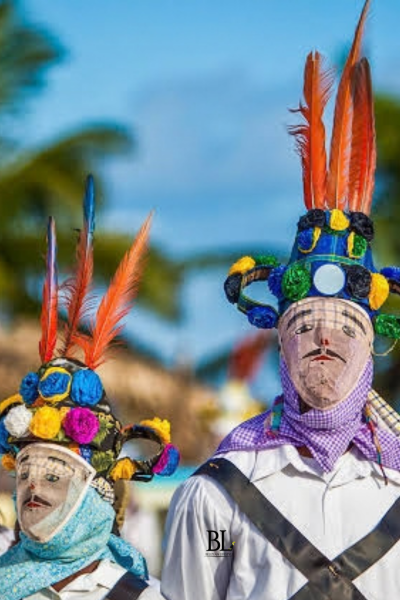
Music and dance remain important parts of cultural life. Garifuna drumming and punta music are particularly associated with the southern coast, while traditional Creole music, storytelling, and community celebrations reflect other parts of Belize’s heritage.
The Maya communities maintain important traditions connected to language, agriculture, crafts, and food preparation. Mestizo communities celebrate their heritage through religious festivals, traditional dances, and regional cuisine.
Belize’s national celebrations also offer opportunities to experience this cultural diversity. September celebrations, Garifuna Settlement Day on November 19, and other community festivals bring people together through music, dance, food, and local traditions.
Wherever you travel, approach these experiences with curiosity and respect. Ask before photographing people or entering private cultural spaces, and consider booking experiences directly with local guides and community organisations.
If you want to experience the food Belizeans actually eat, a few simple tips can make a difference.
From rice and beans with stewed chicken in Belize City to hudut in Dangriga, escabeche in the north, and fresh seafood on the cayes, every region has something different to offer.
You do not need to visit an expensive restaurant to experience the country’s culinary heritage. Sometimes the most memorable meal is served in a small family-run establishment, at a roadside stand, or in a village where traditional recipes have been passed down through generations.
So, when you visit Belize, make room in your itinerary for more than beaches, jungles, and ancient ruins.
Sit down for a traditional meal. Visit a market. Ask a local about their favourite dish. You may discover that some of your most memorable Belizean experiences happen around the dinner table.
After all, to truly understand Belize, you have to taste it.