- Southern Belize

Discover the flavours, traditions, and people that make Belize one of the Caribbean’s most culturally diverse destinations.
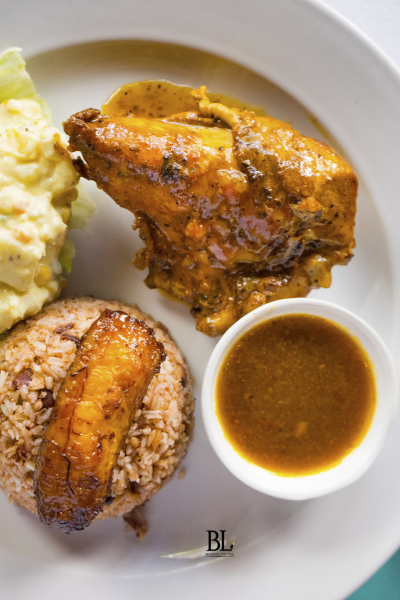
Belize is a country where cultures come together, traditions are passed down through generations, and food is an important part of everyday life. From the aroma of freshly baked meat pies in the morning to the rich coconut flavours of a traditional Garifuna meal, Belizean cuisine tells the story of a country shaped by its people, history, and natural surroundings.
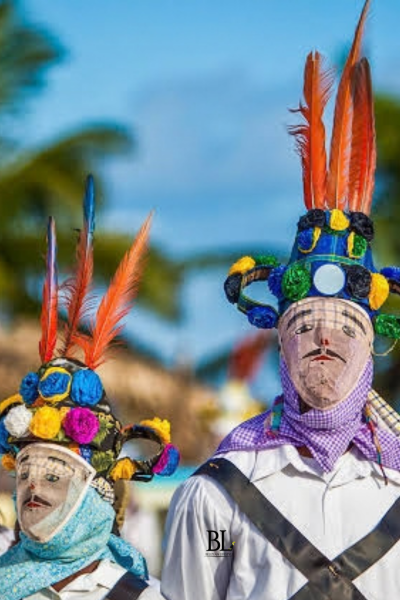
For visitors, experiencing Belize means much more than exploring ancient Maya temples, swimming in turquoise Caribbean waters, or walking through the jungle. It also means sitting down to a home-cooked meal, visiting a bustling local market, listening to the rhythms of Garifuna drumming, and discovering the traditions that make each region unique.
Belize may be small, but its cultural diversity is remarkable. Its population includes Creole, Mestizo, Maya, Garifuna, East Indian, Mennonite, Chinese, and other communities, each contributing to the country’s identity.
The Creole, or Kriol, culture has deep roots in Belize’s colonial history and the blending of African and European influences. Creole traditions are particularly visible in the country’s language, music, storytelling, and traditional cooking.
The Mestizo culture, with Maya and Spanish influences, is especially prominent in northern Belize. Its culinary traditions include handmade corn tortillas, tamales, escabeche, and hearty soups seasoned with traditional recado.
The Maya people have lived in this region for thousands of years. Their heritage remains an important part of Belizean life, from traditional farming and food preparation to language, crafts, and ceremonies. Corn, beans, squash, and other locally grown ingredients continue to play important roles in Maya-influenced cooking.
The Garifuna people have a particularly strong presence along Belize’s southern coast, especially in Dangriga, Hopkins, and Punta Gorda. Their African and Indigenous Caribbean heritage is celebrated through music, dance, language, and distinctive foods featuring coconut milk, fish, cassava, and plantains.
The Mennonite community is an important part of Belize’s agricultural history and everyday life. Mennonites began arriving in Belize in the 1950s, bringing with them strong traditions of farming, craftsmanship, family, and community. Today, Mennonite settlements can be found primarily in parts of the Cayo, Orange Walk, and Belize Districts, where farms produce much of the country’s milk, cheese, eggs, grains, and other agricultural products. Their communities are known for hardworking farmers, simple lifestyles, horse-drawn transportation in some settlements, and traditional woodworking and farming practices. Mennonite culture has become an important part of Belize’s multicultural identity, while their agricultural contribution continues to play a major role in feeding the country