- Southern Belize

Belize is a country that invites exploration. It is a place of extraordinary contrasts, where the landscape changes dramatically as you travel from one district to another. One moment, you might be driving through open farmland beneath a vast blue sky; a few hours later, you could find yourself surrounded by thick tropical jungle, winding rivers, towering trees, and the sounds of birds echoing through the forest. Along the coast, the air carries the scent of saltwater, while inland, the warm, earthy smell of rain-soaked soil and vegetation fills the air.
Although Belize is a relatively small country by international standards, it is much larger and more varied than many visitors realize. Its population is spread across towns, villages, rural communities, coastal settlements, and remote areas, and development is uneven. Some places are well established and familiar to international travellers, while others remain quietly tucked away, known mainly to the people who live nearby.
This is part of what makes Belize so fascinating. There is a tremendous amount happening across the country, but you might never know it if you spend your entire holiday in just one corner. Each district has its own character, pace of life, cultural influences, and relationship with the land.
It is easy to arrive in Belize and settle into one particular region. Perhaps you begin in the north, exploring the communities and countryside around Corozal, the wetlands of Crooked Tree, or the areas surrounding Ladyville and Belize City. The northern districts offer a landscape and atmosphere that differ considerably from those found farther south.
Travel in another direction, and the scenery begins to change. Central Belize gives way to the inland districts, where forested hills, rivers, agricultural land, and rural communities create a different sense of place. Continue south, and the landscape opens into the coastal communities of Stann Creek before reaching Toledo, where the roads lead through lush countryside toward Punta Gorda and some of the country’s more remote settlements.
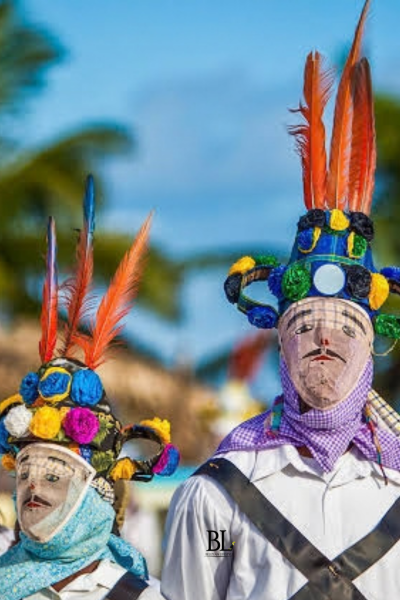
The differences are not simply geographical. Belize is home to several distinct cultural communities, including Creole, Garifuna, Maya, Mestizo, East Indian, Mennonite, and other communities whose histories and traditions have helped shape the country. Language, food, music, architecture, farming practices, and everyday life can vary considerably from one region to another.
Even the atmosphere changes as you travel. A busy town might greet you with the sound of minibuses, vendors calling to customers, and music drifting from a nearby shop. In a small rural village, the pace may slow to the rhythm of people tending their gardens, children walking home from school, and neighbours stopping to talk along the road.
To understand Belize, you need to experience more than one region. If your intention is to gain a genuine appreciation of the country, its people, and its varied landscapes, allow at least a couple of weeks to travel beyond a single destination. Even then, you will only begin to scratch the surface.
One of the most important things to understand when planning a visit to Belize is that getting from one region to another can take considerably longer than you might expect.
Belize City is a common arrival point for international visitors, but it is not necessarily close to the destination they have booked. A journey from Belize City to Placencia, for example, can take approximately three hours by road, depending on traffic, weather, road conditions, and your final destination. Continuing to Punta Gorda in the south can take around four hours or more. These are estimates, and actual travel times can vary.
Likewise, travelling from Belize City into the Cayo District or other inland areas may take a couple of hours, depending on where you are going. Reaching a remote village, riverside property, jungle lodge, or rural community can require additional driving beyond the main highway.
Distances on a map can be misleading. A route that looks relatively short may involve winding roads, slower traffic through towns and villages, or stretches where you need to reduce your speed. Heavy rain can also affect travel conditions, particularly on unpaved roads.
This is why it is important to plan your itinerary around geography rather than simply counting how many places you want to visit. Booking accommodation in several distant regions without allowing enough time for transportation can leave you spending much of your holiday on the road.
If you are arriving on an international flight and continuing to another part of Belize on the same day, consider your arrival time, customs and immigration, luggage collection, transportation arrangements, and the length of the onward journey. If you are taking a domestic flight, remember that schedules, baggage arrangements, and connections need to be considered separately.
Belize rewards travellers who give themselves time. A well-planned journey allows you to experience each region without feeling that you are constantly rushing toward the next destination.
One of the most interesting things about exploring Belize is discovering how much exists beyond the usual travel guides and heavily promoted destinations.
Belize does not market every corner of the country to an international audience. Some communities, small businesses, rural locations, and lesser-known places have little online presence. Their information may be limited to a local Facebook page, a recommendation from someone who lives nearby, or directions passed along by word of mouth.
You may find a small riverside community, a quiet stretch of countryside, or a beautiful natural setting that receives very little attention outside its immediate area. Sometimes, the most memorable part of travelling through Belize is not finding a famous destination but experiencing an unexpected place along the way.
However, it is important to distinguish between a place that is simply little known and one that is genuinely difficult to access. A location may not appear clearly on Google Maps, may have limited mobile coverage, or may require someone familiar with the area to explain the final stretch of the route. Land access, private property, seasonal conditions, and local permissions can also affect whether a place can be visited.
This is where local knowledge becomes particularly valuable. Knowing that somewhere exists is only the beginning. Understanding how to reach it, whether the road is suitable for your vehicle, who to contact, and what arrangements are needed can make the difference between a successful journey and a frustrating one.
At Belizean Lifestyle, our goal is to help you look beyond the obvious. We want to introduce you to the wider country, share information about places you might otherwise overlook, and explain how you can plan your own journey with greater confidence.
Belize has many stories to tell, and not all of them are found on the first page of a search engine.
Belize is not a destination where every experience comes with a clearly marked entrance, a ticket booth, and a convenient shuttle service. Some activities and locations are straightforward to reach independently, while others require specialist knowledge, advance arrangements, or appropriate transportation.
For example, reaching many offshore cayes requires a boat transfer, and the departure point, weather, sea conditions, and return arrangements all need to be considered. Travelling into remote jungle areas may require a suitable vehicle, particularly during the rainy season or when roads are rough. Certain locations may be accessible only by a combination of road travel, boat transport, or walking.
Guided experiences are also important in particular settings. Visiting archaeological sites, exploring caves, entering protected areas, or travelling through unfamiliar jungle terrain may involve specific safety requirements, site regulations, or the services of an authorized guide. Requirements differ by location, so it is always worth checking before you travel.
A guide can offer far more than directions. Local knowledge can help you understand the landscape, recognize wildlife, appreciate cultural traditions, and learn about the history of the communities you pass through. A good guide can also help you navigate practical details that might otherwise be difficult to work out from a website.
Independent travel is certainly possible in Belize, but it benefits from preparation. Before setting out, confirm your transportation, check road conditions, understand whether advance bookings are necessary, and make sure you know how you will return. In remote areas, it is wise not to assume that fuel, food, mobile service, or last-minute transportation will always be available.
The more remote your intended destination, the more important these details become.
Belize has a different rhythm from many highly developed tourist destinations. Outside the busiest areas, you may encounter long stretches of road with little traffic, small communities separated by farmland and forest, and places where daily life continues largely beyond the view of visitors.
Development is not uniform, and infrastructure can vary considerably between towns, villages, and remote areas. Some locations have modern facilities and established tourism services, while others have limited amenities, fewer accommodation choices, or less reliable road access.
For some travellers, this is precisely the appeal. Belize offers opportunities to experience a country where nature and community life remain central to the landscape. The sound of cicadas may rise from the roadside vegetation, rain may sweep across an open field without warning, and the evening air may carry the scent of woodsmoke, tropical flowers, or the sea.
Yet it is important to travel with realistic expectations. Not every road is paved, not every destination is easy to reach, and not every community has been developed for tourism. Flexibility, patience, and respect for local people go a long way.
Belize is also a country of remarkable natural diversity, but that does not mean every part of it is unexplored. Its forests, rivers, mountains, wetlands, and coastal environments have long been known, used, and cared for by local and Indigenous communities. What may feel undiscovered to a visitor can be an integral part of somebody else’s home, livelihood, or cultural heritage.
Exploring responsibly means recognizing that distinction, respecting private property and community boundaries, and leaving natural areas as you found them.
Another important consideration is your budget. Belize is not necessarily the inexpensive backpacking destination that some travellers imagine.
Although there are ways to manage your costs, Belize can be relatively expensive compared with some other Central American destinations, particularly when your plans involve private transportation, domestic flights, boat transfers, guided experiences, imported goods, or accommodation in popular coastal and island areas.
Getting around can represent a substantial portion of your travel budget. If you want to move between distant districts, explore rural locations, or reach places outside established transport routes, you may need to pay for a rental vehicle, a private driver, a boat transfer, or a guide. These expenses can add up quickly, especially when travelling alone or as a couple.
Accommodation prices also vary considerably. A simple room in a local guesthouse may cost much less than a beachfront resort or private island property, while food costs depend on where you eat and what you choose. Local meals can offer good value, but imported products, restaurant dining, and some tourist-oriented services can be expensive.
It is also worth understanding that hitchhiking is not a dependable transportation strategy, and free places to stay should never be assumed. Public transportation serves many communities, but it does not reach every destination and may not fit neatly into a tightly scheduled itinerary.
Travelling on a limited budget is possible with careful planning. Choosing a smaller number of regions, staying longer in each location, using available public transportation where practical, and booking essential transfers in advance can help control expenses.
The key is to decide what kind of experience you want and budget accordingly. A holiday centred on one region with local accommodation and public transportation will have a very different cost from a journey involving several districts, private transfers, guided excursions, and high-end resorts.
Belize is a country best understood through exploration. Its appeal lies not only in its well-known destinations but also in the differences between its regions, the character of its communities, the variety of its landscapes, and the unexpected discoveries that come with travelling beyond familiar routes.
Perhaps you are drawn to the coast and the Caribbean Sea. Maybe you prefer the cool shade of the forest, the sound of a river moving over rocks, or the cultural richness of Belize’s towns and villages. You may be interested in local food, community life, history, nature, or simply seeing how people live in different parts of the country.
Whatever your interests, your journey should reflect what matters to you. There is no single itinerary that captures Belize, and no one region tells the whole story.
That is the purpose of Belizean Lifestyle. We want to help you understand the country before you arrive, discover regions you may not have considered, find useful local information, and learn how to plan your travels independently. We believe that knowing where to go is only part of the experience; understanding how to get there, what to expect, and how each place fits into the wider story of Belize is just as important.
Come with an open mind, allow yourself enough time, and be prepared for a country that may surprise you at every turn.
Belize is more than one destination. It is a whole country waiting to be understood, experienced, and explored.