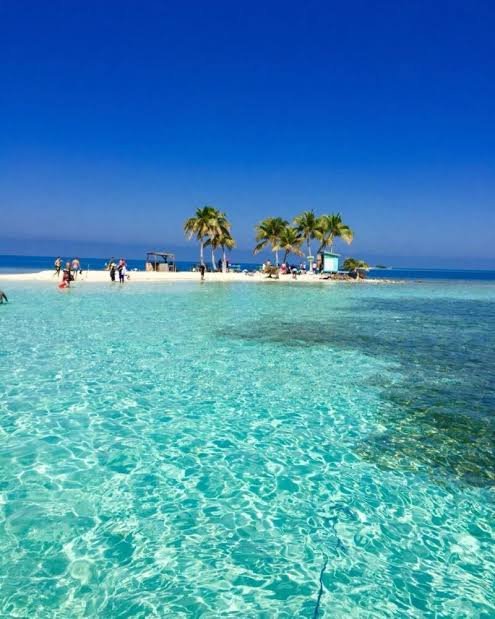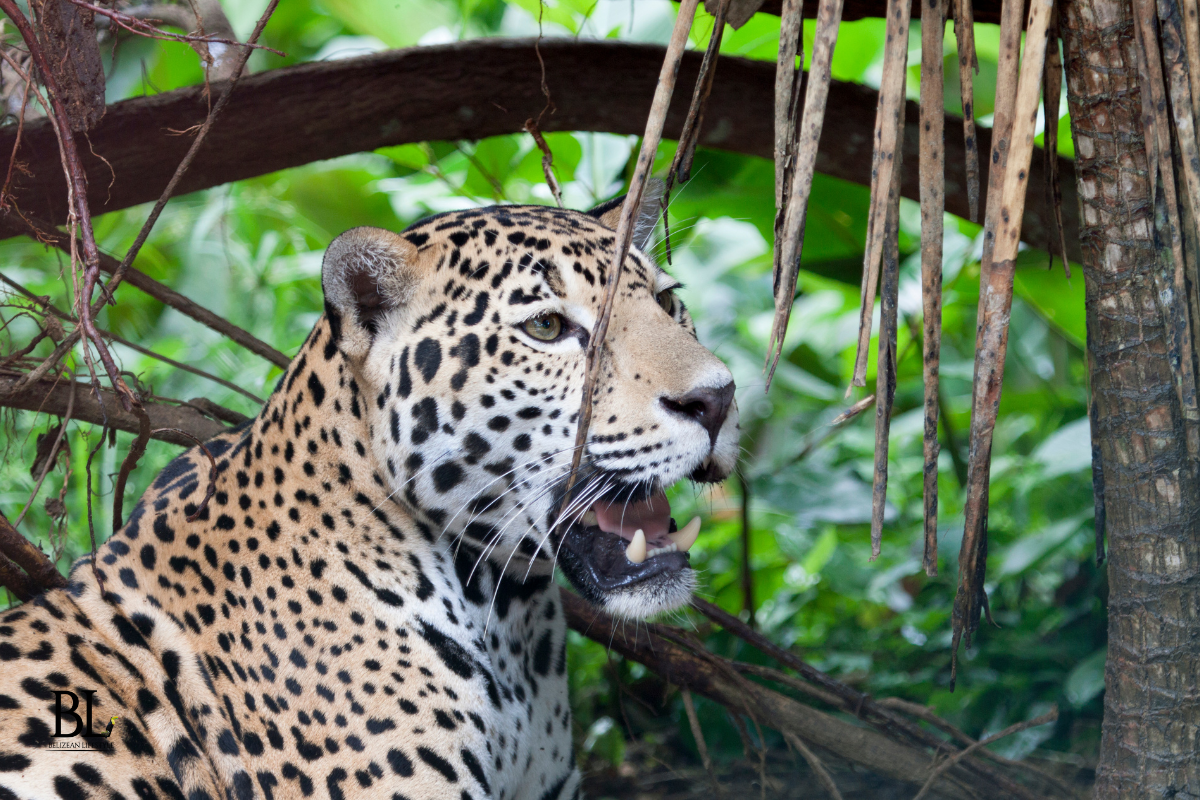
The Belize District is where many visitors begin their Belize adventure. It is home to Belize City, the country’s largest urban center, and to Philip S. W. Goldson International Airport, making the district an important gateway for travelers arriving by air. But Belize District is much more than an arrival point. It brings together colonial history, Maya heritage, Creole culture, wildlife, rivers, wetlands, beaches and offshore cayes.
If you want to understand where modern Belize began and experience several very different sides of the country without traveling great distances, Belize District is an excellent place to explore.
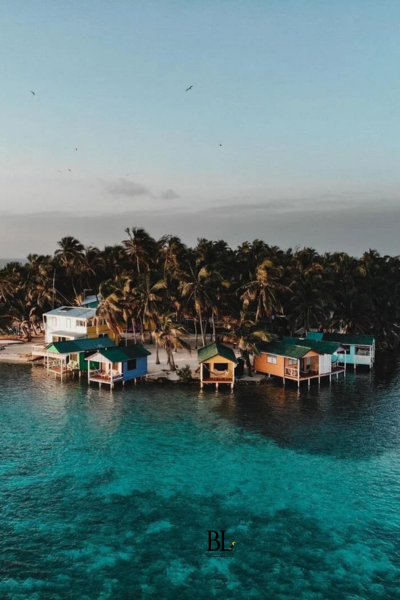
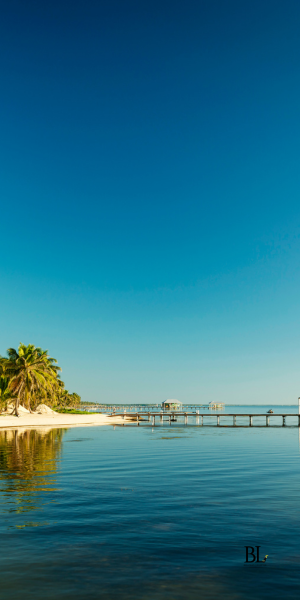
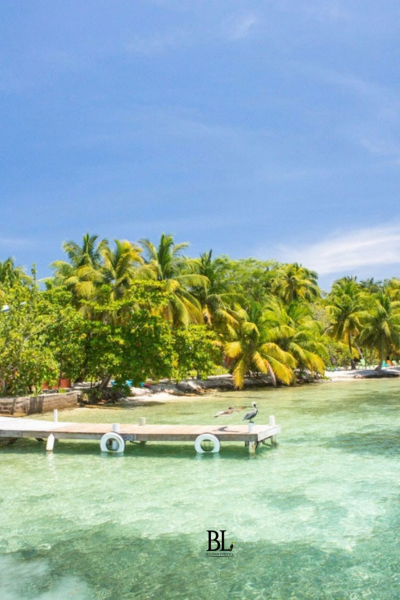
Belize District lies along Belize’s eastern coast and includes Belize City, coastal communities, the Belize River Valley, wetlands and access to numerous offshore cayes.
Water has always been central to the district’s story. Belize City developed around waterways and became an important commercial and port center. Today, it remains the country’s commercial hub and an important starting point for travelers heading to the cayes and other parts of Belize.
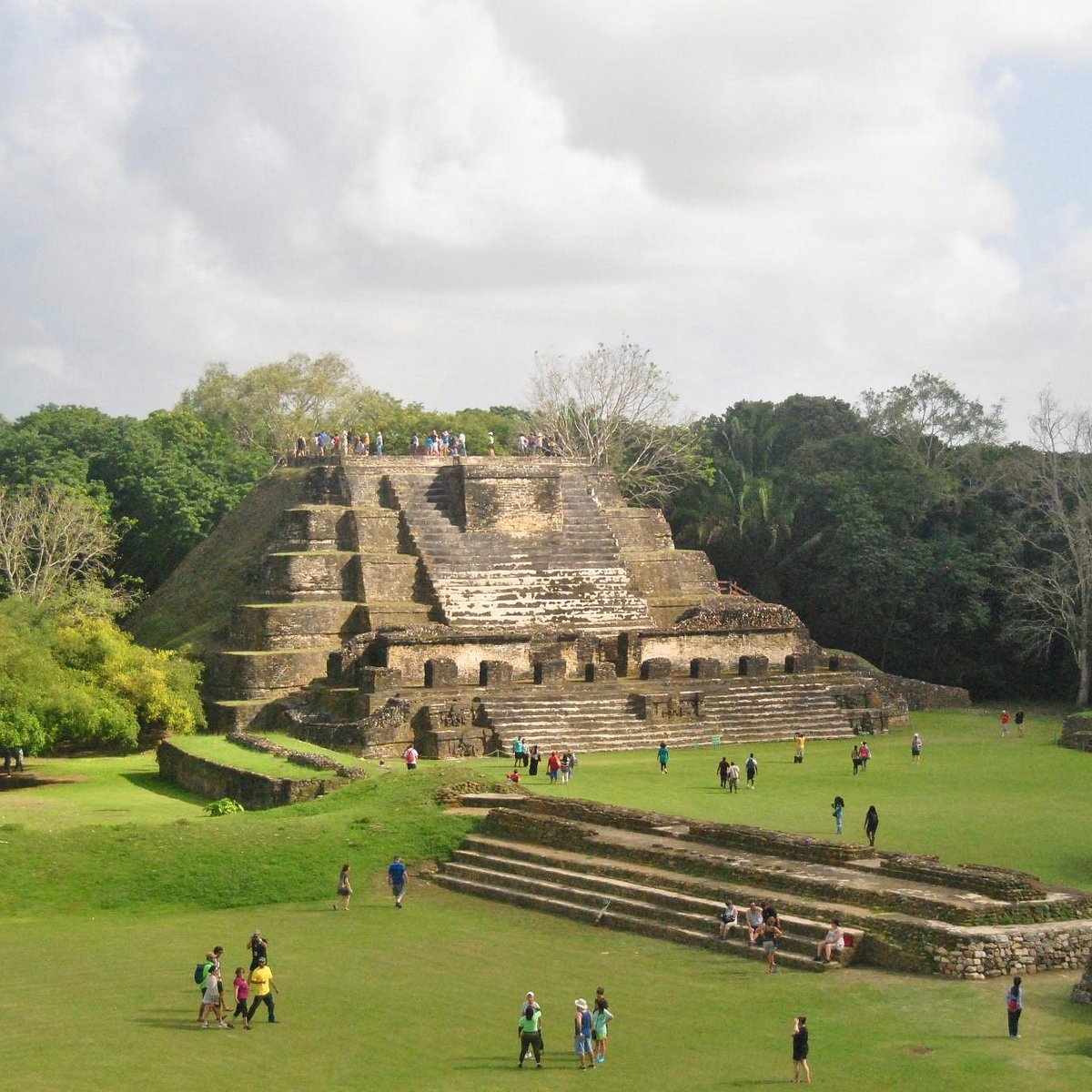
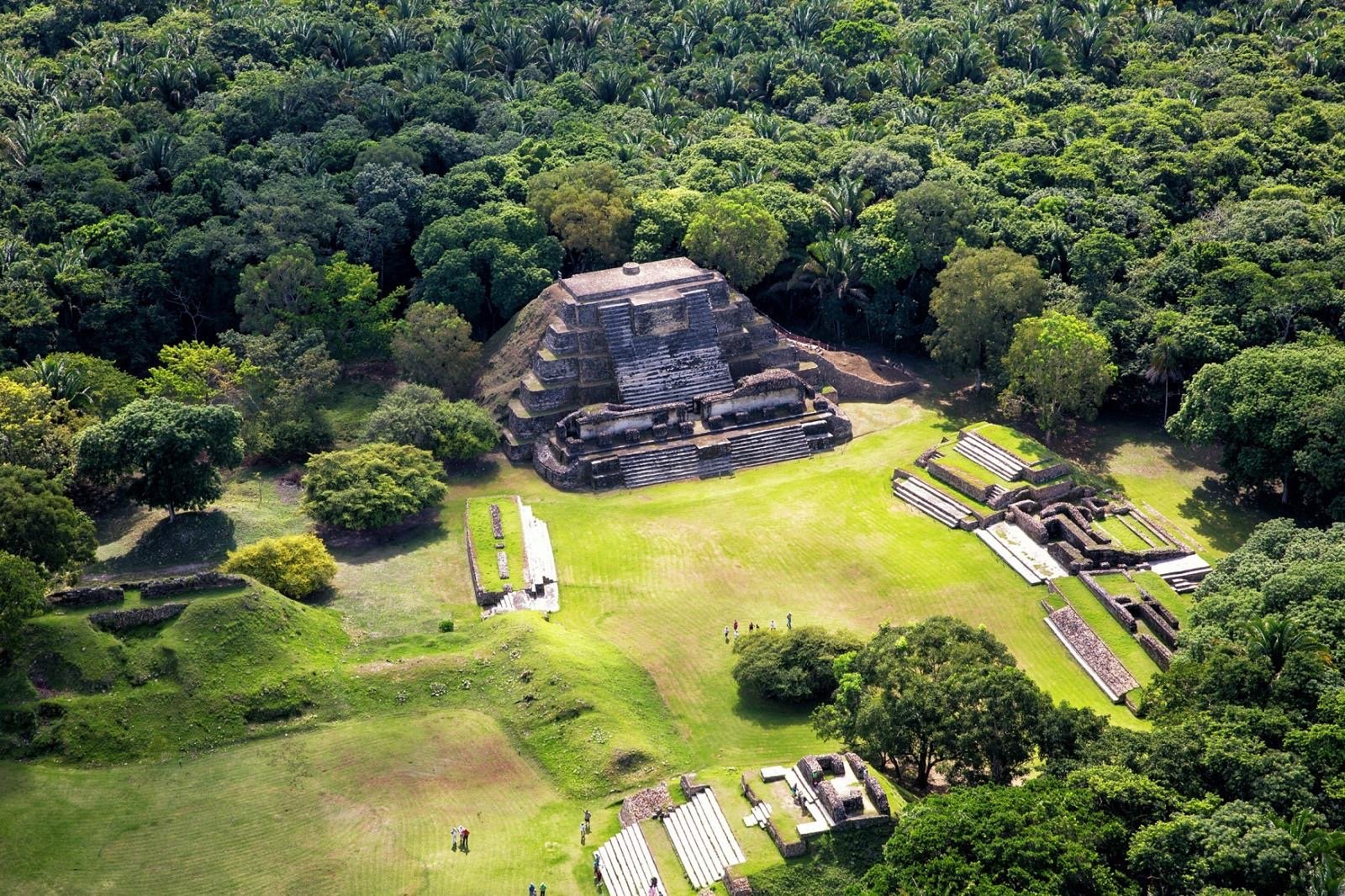
But long before Belize City existed, the region was home to Maya communities. Altun Ha, one of Belize’s most important archaeological sites, was an important Maya ceremonial and trading center. Archaeological evidence indicates occupation from approximately 250 BC to AD 1000, with the city reaching its peak between AD 400 and AD 900.
This means that when you explore Belize District, you are moving through thousands of years of history from the ancient Maya to the colonial period and into modern Belize.
Belize City is the largest urban center in Belize and one of the most historically significant places in the country.
Once known as British Honduras, Belize City was the former capital before the capital was moved inland to Belmopan following the devastation caused by Hurricane Hattie in 1961.
Today, Belize City is a fascinating mixture of old and new. Colonial-era buildings sit alongside modern businesses, local markets, restaurants, waterfront neighborhoods and busy streets.
It is also where travelers can experience a strong expression of Creole culture, one of the many cultural influences that have shaped Belize.
There are several historic and cultural attractions worth including in your itinerary.
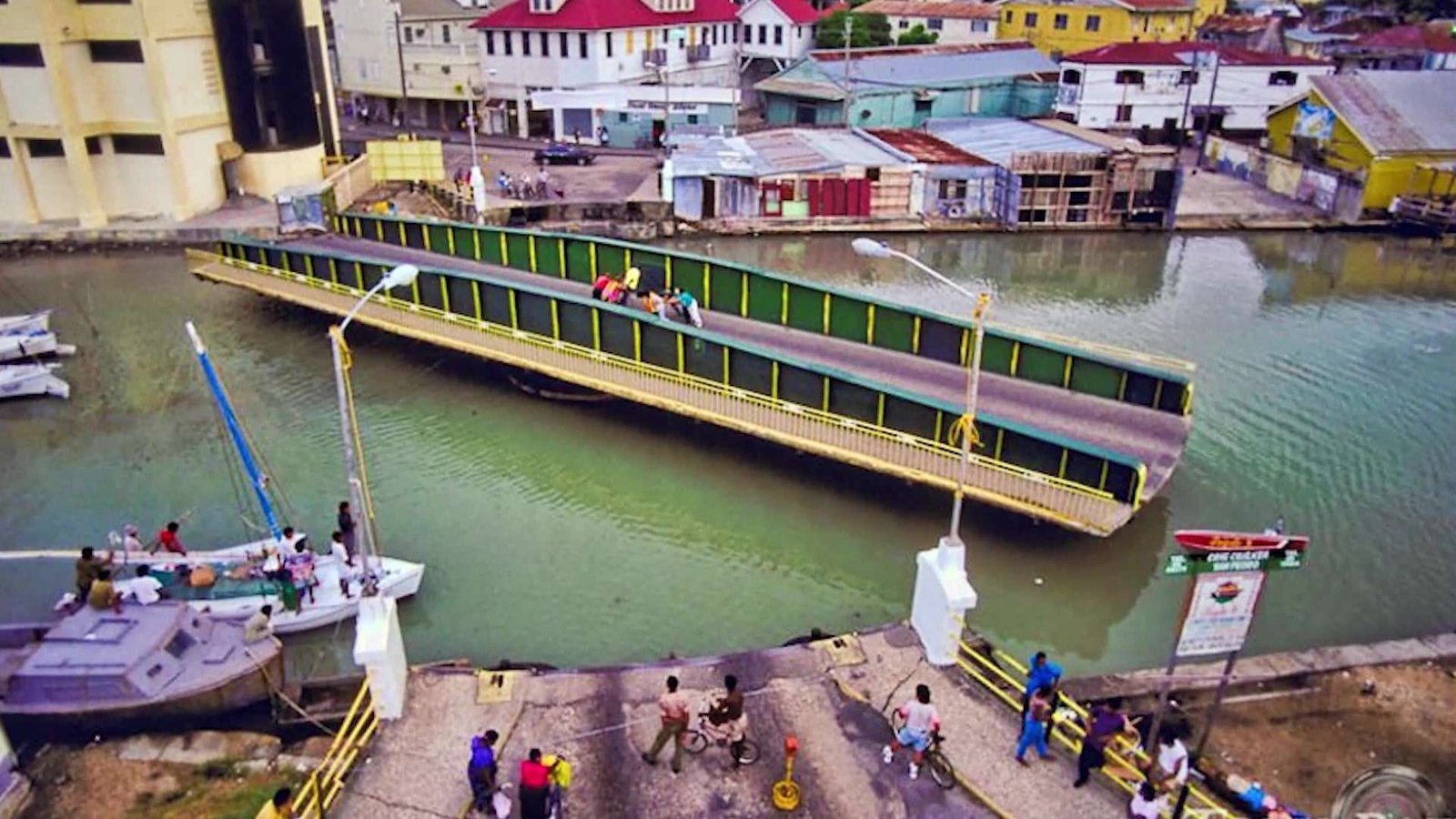
The historic Swing Bridge crosses Haulover Creek in the heart of downtown Belize City.
The area around the bridge provides a glimpse into the city’s history as a waterfront commercial center. Fishing boats and other vessels still move through the waterways around the city.
St. John’s Cathedral is one of Belize City’s most significant historic buildings and is described by Belize’s tourism authority as the oldest Anglican church in Central America.
Its history is closely connected to Belize’s colonial period and the development of the settlement that eventually became modern Belize.
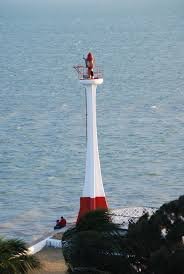
The Baron Bliss Lighthouse is one of Belize City’s best-known landmarks.
Baron Henry Edward Ernest Victor Bliss was a wealthy British-born philanthropist who never actually set foot in Belize. Nevertheless, he donated a substantial portion of his fortune to the country before his death.
The lighthouse overlooking the Caribbean commemorates his legacy and has become one of the city’s recognizable waterfront landmarks.
For visitors interested in understanding Belize beyond the beaches, the Museum of Belize is an important stop.
The museum provides an opportunity to learn about Belize’s archaeological, colonial and cultural history.
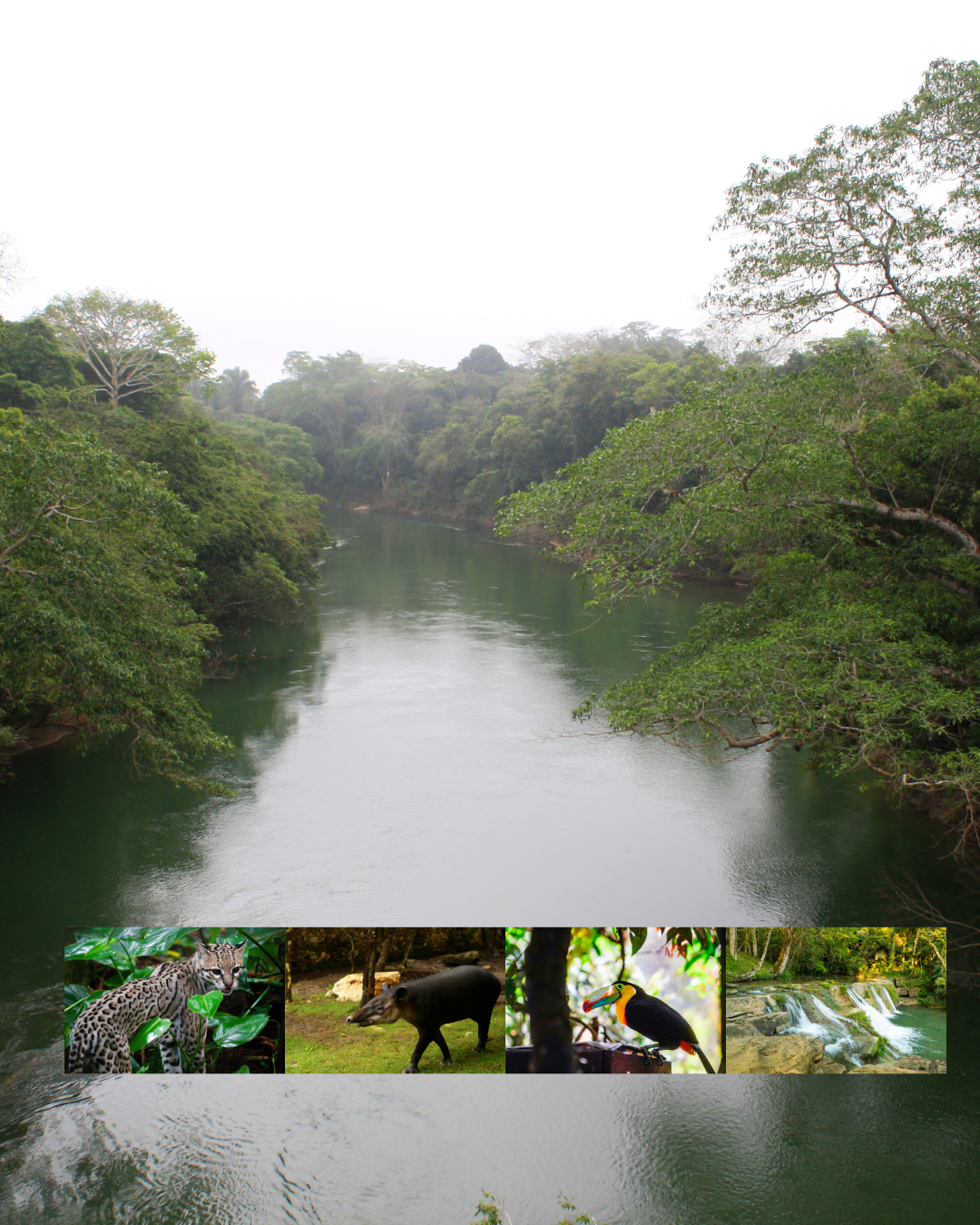
It is particularly useful for travelers who want to put the places they are visiting into historical context.
Belize City’s historic Government House area provides another glimpse into the country’s colonial-era architecture and political history. The building has since become associated with Belizean art and heritage.